Prosthetic Hair
What is Prosthetic Hair?
Prosthetic hair refers to artificial hairpieces, wigs, or hair systems designed to mimic natural hair. These are often made from either synthetic fibers or natural human hair and are custom-made to match the individual’s hair color, texture, and style preferences. Prosthetic hair is crafted to blend seamlessly with a person’s existing hair, creating a realistic and natural appearance.
Some of the most common forms of prosthetic hair include:
- Wigs: Full hairpieces that cover the entire scalp.
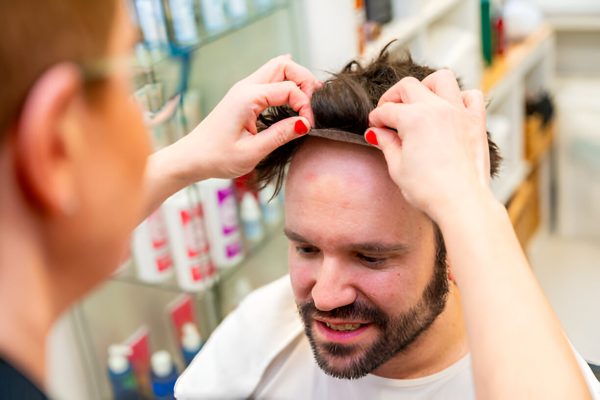
- Hairpieces or Hair Systems: Smaller sections or patches of hair that are attached to thinning or bald areas.
- Toupees: Typically designed for men, toupees cover receding hairlines or bald spots.
- Extensions: Used to add volume or length to existing hair.
Benefits of Prosthetic Hair
nstant Results:
One of the major advantages of prosthetic hair is the immediate transformation it offers. Unlike other hair restoration options that require time to show results (like hair transplants or PRP therapy), prosthetic hair can be worn right away for an instant improvement in appearance.Non-Invasive:
Prosthetic hair offers a non-surgical solution to hair loss, making it an ideal option for those who do not want to undergo invasive treatments or procedures. There’s no need for recovery time or anesthesia.Customizable:
Prosthetic hair can be fully customized to meet your specific needs. You can choose from a wide range of colors, styles, lengths, and textures, ensuring the final result is as close to your natural hair as possible.Affordable Option:
Compared to expensive hair restoration treatments such as hair transplants, prosthetic hair is often a more budget-friendly alternative. Depending on the type and quality of the prosthetic hair, costs can vary, but it can still provide a cost-effective solution.Temporary or Long-Term Solution:
Prosthetic hair can be a temporary solution for those dealing with temporary hair loss (e.g., after chemotherapy) or a long-term solution for those with permanent baldness or thinning hair. It provides flexibility based on your hair restoration needs.

Types of Prosthetic Hair
Wigs:
Wigs are one of the most common forms of prosthetic hair. They cover the entire scalp and are available in a wide variety of styles, lengths, and colors. Wigs can be made from either synthetic fibers or real human hair, depending on the desired look and budget.Hair Systems:
These are custom-designed hairpieces that are attached to the scalp to cover specific thinning or bald spots. Hair systems offer a more permanent solution compared to wigs and can be securely fixed using adhesives, clips, or surgical methods like hair bonding.Toupees:
Toupees are typically smaller than wigs and are designed to cover the top or crown of the head, often used by men dealing with receding hairlines or bald spots. Toupees can be custom-made to match the natural hair color and blend well with the rest of the hair.Hair Extensions:
While not typically used for complete baldness, hair extensions are great for adding volume or length to naturally thinning or fine hair. They can be clipped, sewn, or fused to your natural hair for a fuller look.